Hi, I'm Inkeri Glova
From Finland, based in Munich/Polling, Germany
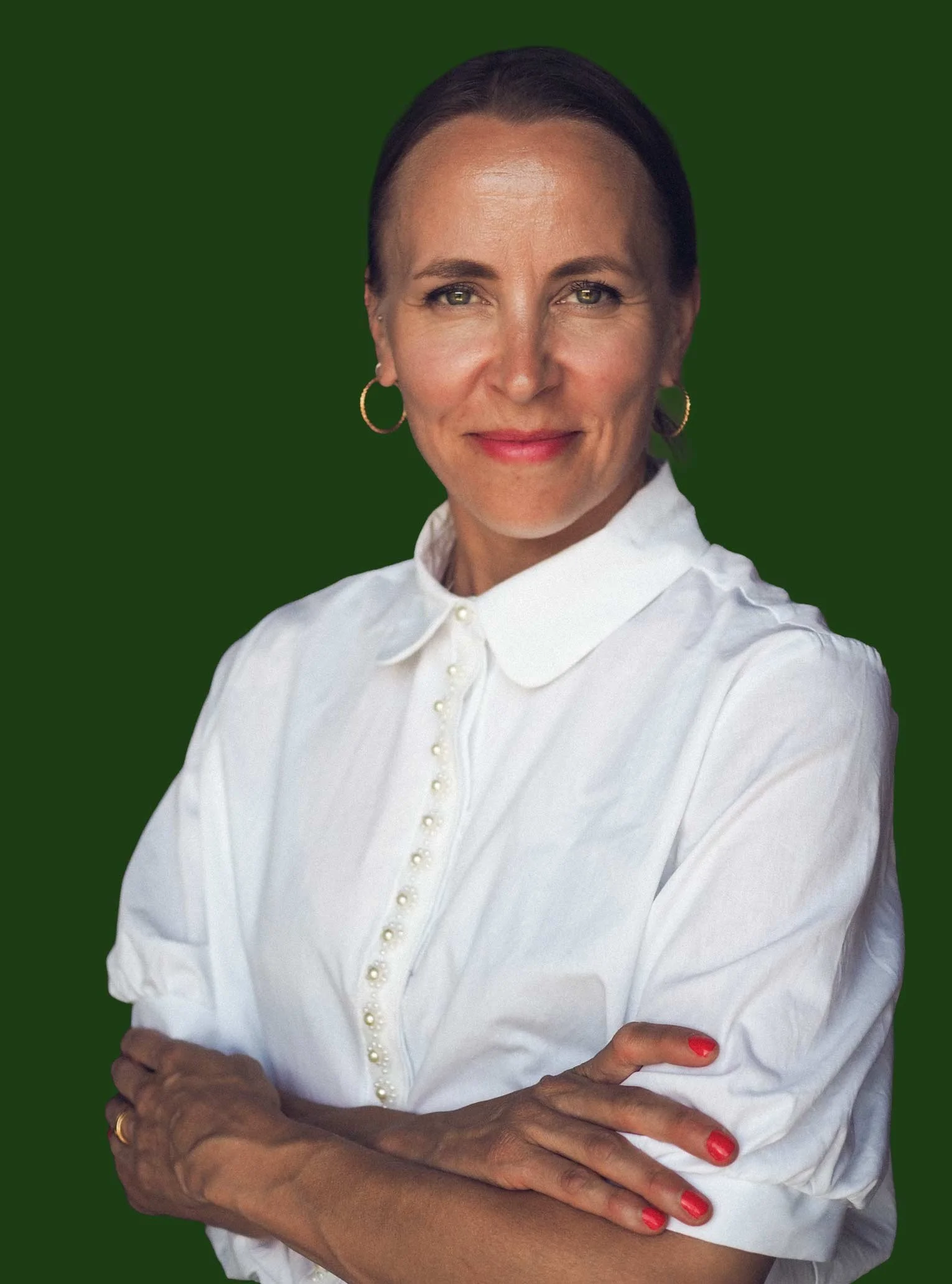
After 10 years of building and managing a D2C business solo — product, production, web, marketing, and the eye for how it should all look — I want to put that experience to work for a growing or established company, local or international, that needs someone versatile:
Commercially aware but with integrity, structured but instinctive, someone who grows a business — and its partnerships — by earning trust, not shortcuts.
-

Seeing the system, doing the task
Keeping the big picture in view while working on the smaller tasks — and seeing how they connect.
-

Building for the Bottom Line
Being my own boss taught me to make every decision serve the business long-term — even when the short-term shortcut was sitting right there.
-

Public Administration meets design
Structure from a public law background, instinct from years in design and photography — together, strategy holds up and design doesn't feel like an afterthought.
I've never fit into one fixed role.
My experience covers:
-
Ten years of owning a business alone — product, manufacturing, compliance, brand — taught me to see how decisions connect across a business, not just within one part of it. Built Arctic Flamingo from scratch and grew it to 10,000+ customers. Later founded a second business on the side, in photography and web design, applying the same hands-on ownership.
-
Implemented a take-back program and a second-hand resale system for Arctic Flamingo. Actively explored circularity in textiles and beyond — attending trade fairs and webinars, staying current on industry news, and visiting local waste dumpsters to see the realities of waste handling.
-
Owned every operational layer of the online business: storefront design, product listings, product photography, SEO and GEO, order fulfillment, and customer communication — all built and run independently, first on WooCommerce, later on Shopify.
-
Built a brand distinct from the market — more fun, more colorful, more honest — with a mission to bring the yoga community together and support their wellbeing through movement.
-
Studied public law (Master of Administrative Sciences) and applied it directly — as a Visa Officer at the Finnish Embassy in St. Petersburg, balancing empathy for the person in front of me with the accuracy the law required.
-
Grew the brand organically to 10,000+ customers and a 97% five-star review rate — without any paid advertising. Built the content strategy from scratch: photography, copywriting, social media, and email marketing, all shaped by direct customer feedback.
Education and Skills
-
Master of Administrative Science
Major: Public Law
Minor: Business Law
University of Vaasa, Finland, 2002-2008 -
Recent Online Studies:
Basics of Service Design 3 ECTS
June 2025, Aalto University, FinlandIntroduction to Responsible Business 4 ECTS
June 2024, University of Jyväskylä, FinlandGreen Marketing 5 ECTS
October 2024, Turku University of Applied Sciences, FinlandSustainable Packaging and Textiles 26 ECTS
May 2025, Tampere University of Applied Sciences, FinlandSTARTING SOON:
International Strategy 3 ECTS, Aalto University, Finland
Trade and policy: international tensions influencing businesses 3 ECTS, University of Turku, Finland
IP rights in business 2 ECTS, Aalto University, Finland -
Language skills
Finnish — native
German — fluent C1
English — fluent C1
Spanish, Russian, French, Italian — reading level (studied earlier)
-
Tools
E-commerce & web: Shopify, WordPress, SEO/GEO, basic HTML/CSS
Design & visuals: web design, branding, Photoshop, Lightroom, photography, experimenting with AI tools
Where I add the most value to your team and company
I'm looking to bring my experience and personality into a team — on a contract basis or as an employee, whichever suits the organisation best.
I excel in environments with clear frameworks—where the goal is not "growth at all costs," but the masterful management of resources, people, and public or customer trust.
Thanks to my international background I know how to work with people across borders and cultures, and get things done when languages, habits, or expectations don't automatically match.
Examples of roles that could fit me:
Right Hand to a Founder: I believe I'd shine as the right hand to an ambitious, goal-oriented founder — the steady counterpart to their drive, bringing structure and slowing things down when speed outpaces judgment.
General Manager / Operations Manager: Taking responsibility for a specific branch, region, or department where being reliable and doing things the right way matters most.
Brand Manager / Licensing Manager: Managing the relationship between a brand's identity and the products carrying it — vetting partners, protecting design and quality standards, and making sure every license stays true to what the brand stands for.
Market or Local Lead: Representing a company or brand in a new market (Germany/Bavaria, Finland) — someone who understands both the local landscape and the company's goals, and can build the strategic partnerships and connections that make market entry work. Being fluent in more than one language and culture is an asset here.
Examples of environments where I could thrive:
Making sense of the rules: I like working within a framework (like law or tight budgets) and finding the most efficient and fair way to get things done inside those lines.
Building trust: I make sure the company or brand has a strong reputation by delivering great service and working transparently — because trust is what keeps people, and business, coming back.
Bridging the gap: Having run product development and brand end-to-end myself, I connect strategy with execution — across cultures and languages too.
Moving from theory to action: I get excited about the "how." Whether it's a circular economy initiative or a new market entry, I focus on building the digital and physical tools needed to move a project off the paper and into the field.
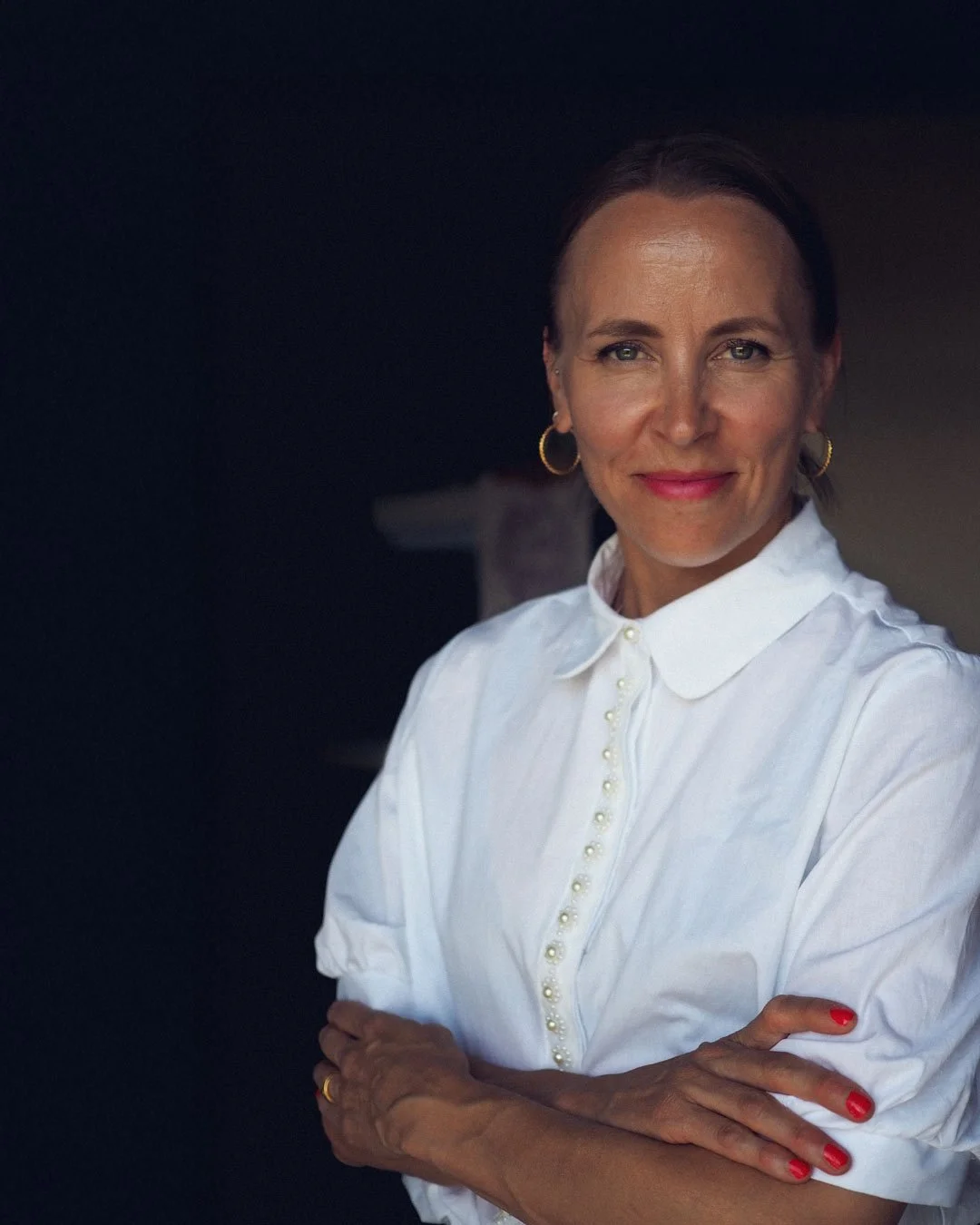
Originally from Finland, living and working in Germany since 2012. Having also lived in Russia and Mexico, I’m at home working across borders and navigating new environments.
Founder-operator
Arctic Flamingo | 2016–2026
My vision was:
Build a more interesting and more sustainable product than what existed on the German market
My motivation was:
Prove that sustainable didn't have to mean boring
Build a business that supports my family and gives me flexibility while raising three kids in a foreign country
Contribute to people's wellbeing by inspiring them to practice more yoga
Bring more joy into my customers' lives through a fun, playful brand

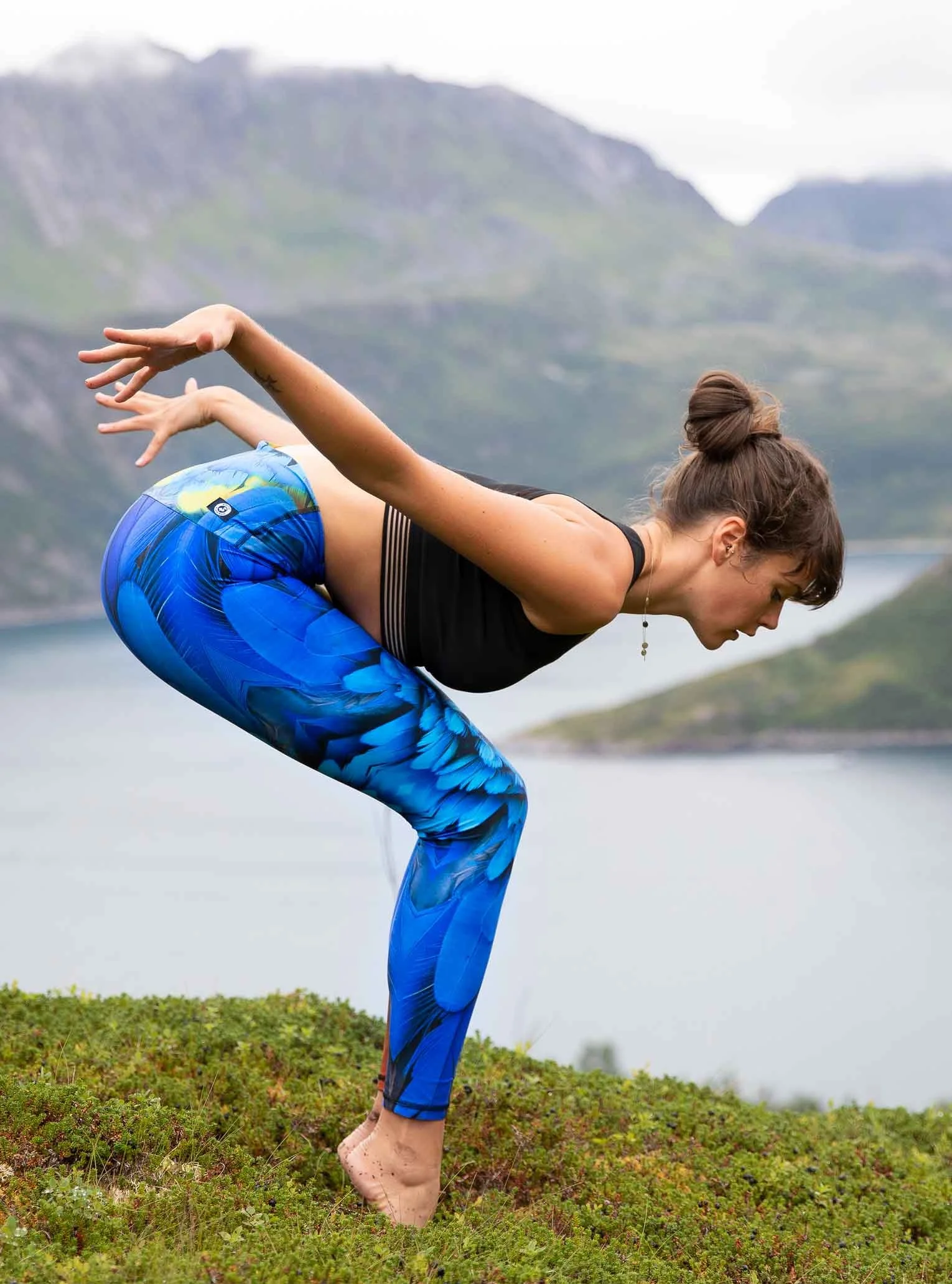
Arctic Flamingo – Highlights & Outcomes:
- Designed and developed 48 physical apparel products
- Served over 10,000 customers in Germany and worldwide
- 97% five-star reviews
- Grew yearly revenue to €150,000 organically
- Launched a take-back and resale program for used Arctic Flamingo products
Self-employed:
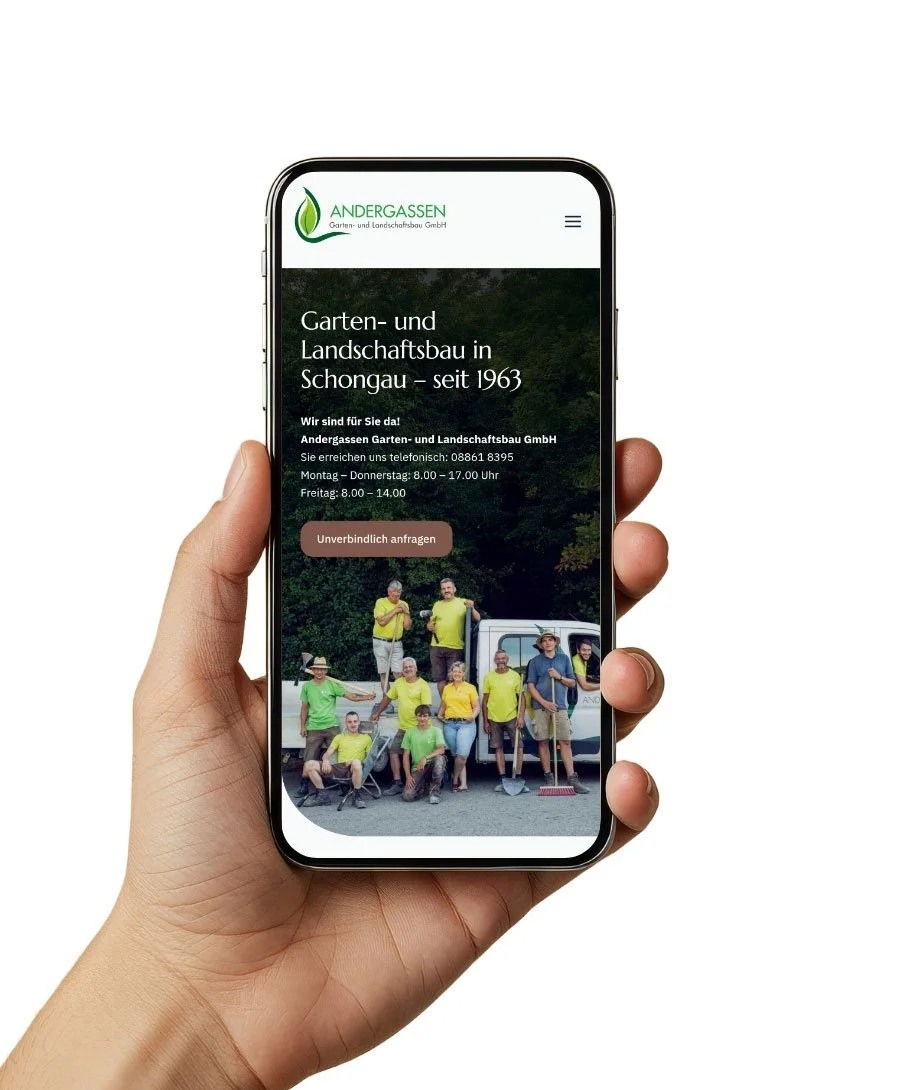
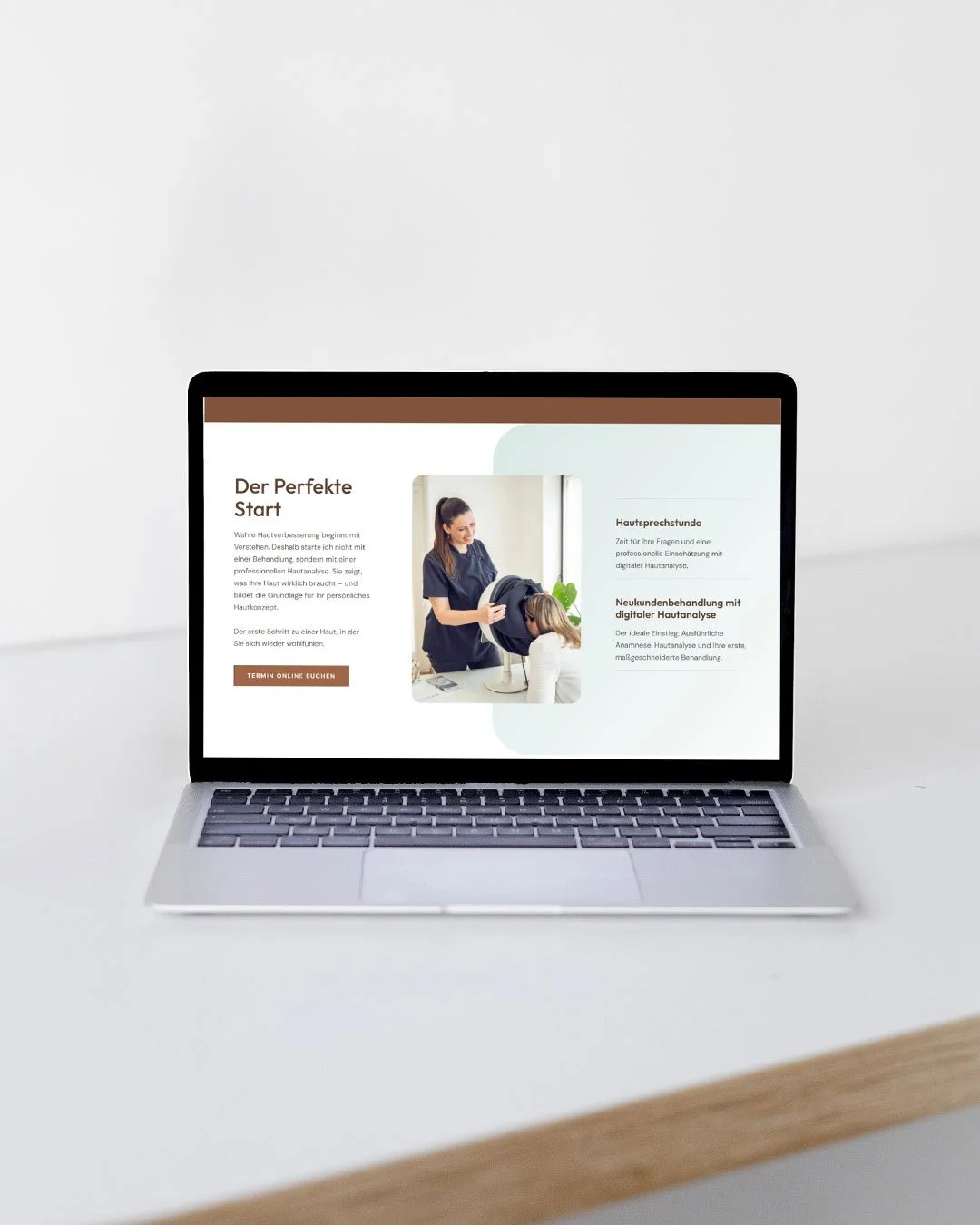
Helping local businesses shine as much as their work deserves, 2025–2026
My vision:
Help business owners get the visibility they need — without a big budget — to attract customers who are willing to pay for quality.
My motivation:
These are people dedicated to making others' lives better, often working on things that touch their customers' daily life. I want to help them succeed. I also enjoy building something visible that has a clear start and an end.
Other recent projects and work:
-
![]()
Host Entrepreneur, Erasmus for Young Entrepreneurs (EYE)
Hosting an aspiring entrepreneur from another country during the beginning of their entrepreneurial journey, and passing on what I've learned to someone just starting out.
-
![]()
Vibecoding side project
Building an app where local yoga teachers can add their classes to a shared calendar. The goal is that customers (yoga practitioners) can easily find local offerings in one place, rather than having the information scattered across different websites and social media. Tools: Lovalbe + Claude
-
![]()
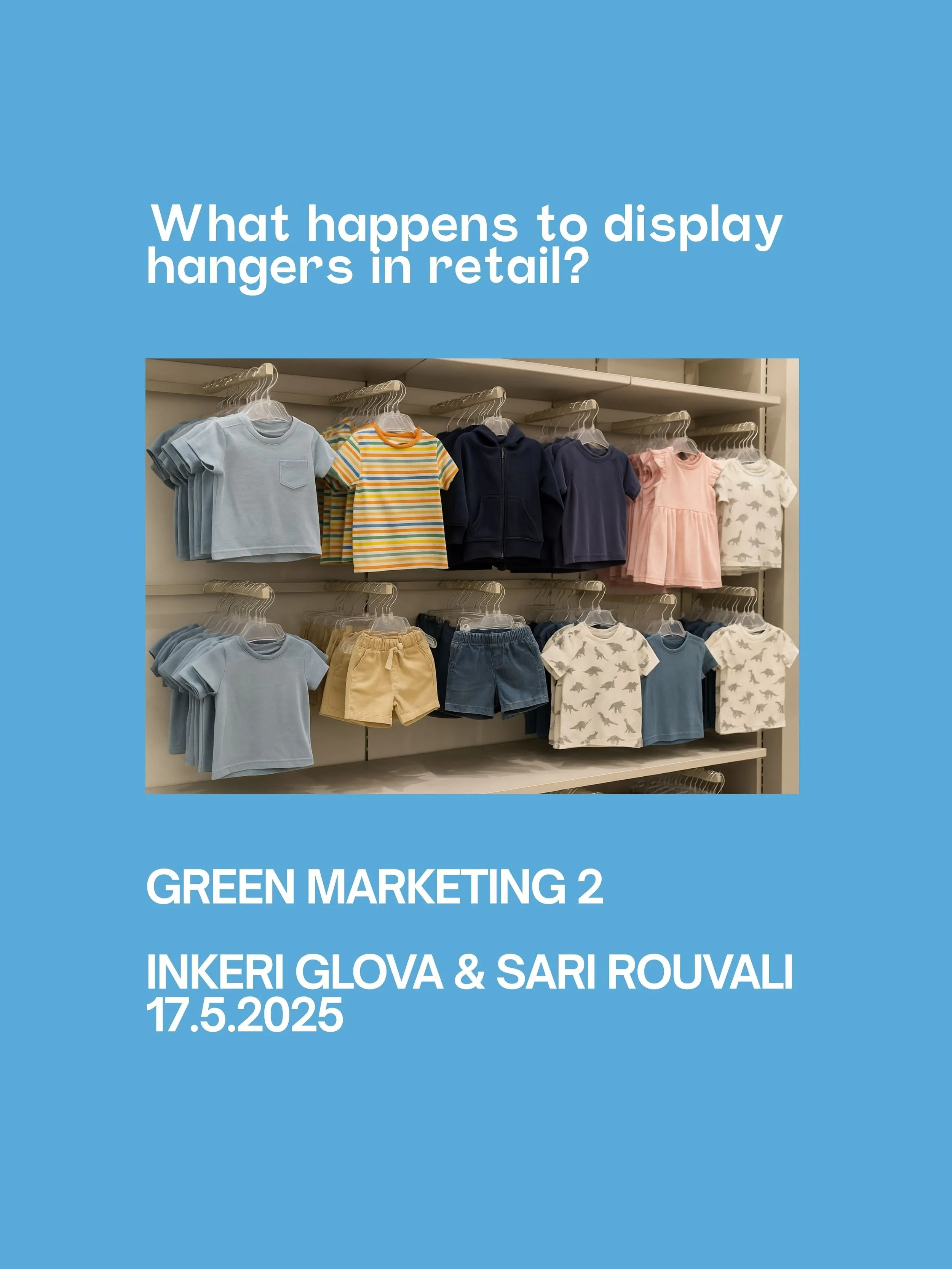
Studying circularity and circular business models
Being aware that the future is uncertain due to disruption from AI and climate change, I believe thinking circular is a question of efficiency for every business, no matter the domain.

A look at my work in practice
-
Solution: I taught myself photography and content creation instead of outsourcing it. For models, I worked with local yoga teachers — a trade that worked both ways: they got credibility and content for their own business, I got my product photos. It saved significant money and built a community of local yoga teachers who ended up promoting my products too.
-
Solution: It was clear that in order to keep sewing labor costs as low as possible, I designed products to be as simple as possible in construction, and let the print design carry the distinctiveness instead.
With our manufacturers, we made it clear that in manufacturing, we cut costs everywhere possible, but without compromising the quality of the product.
-
Solution: Despite the sunk cost of the WooCommerce setup, I invested the time and money to rebuild on Shopify — a platform I could run myself. That ended the dependency, and with it, the delays and the ongoing cost.
-
Solution: We couldn't predict this kind of defect coming. We updated the instructions on what to do in case something similar happens in the future, in order to avoid future losses.
Instead of writing the batch off, I turned the defect — one pant leg significantly shorter than the other — into a playful campaign.
-
Solution: I stay relaxed myself, and I don't show up looking like "a photographer" with a wall of equipment — more like someone from next door. Taking time to warm the person up first, and using humor, helps them settle in. During the shoot, I direct them clearly and show them the results as we go, so they can see it's working and build confidence in real time.
What people say about my work and products:
Visiting industry events out of curiosity and relationship-building 2025-2026: